FOUNDATION OF STOTY TELLING
The Foundation of Food Styling: Before the Camera, There Is a Feeling
What makes a food photograph make you stop scrolling?
Is it the perfect lighting?
The beautiful plate?
The colors?
The composition?
Maybe.
But I believe there is something that comes before all of that.
A feeling.
Before I touch my camera, I ask myself one question:
What do I want you to feel when you see this photograph?
That question has shaped the way I approach food styling and food photography throughout my career.
Because food is emotional.
A bowl of soup can remind you of home.
A freshly baked cake can bring back a childhood birthday.
A loaf of bread can make you think of a grandmother's kitchen.
A beautifully styled table can make you imagine sitting there with people you love.
So when I photograph food, I'm not only photographing what's on the plate.
I'm trying to photograph the feeling around it.
Food Styling Is More Than Making Food Look Beautiful
When we hear the words food styling, we often picture someone carefully arranging food until everything looks perfect.
And yes, there is a lot of technique involved.
A food stylist considers:
composition
color
texture
props
surfaces
ingredients
portion
garnishes
lighting
camera angle
negative space
But technique alone doesn't create a memorable photograph.
You can have perfect lighting, beautiful props and technically flawless food photography—and still create an image that feels empty.
Why?
Because there is no story behind it.
The styling needs a reason.
Start With the Feeling
Imagine you're photographing a chocolate cake.
You could style it in many different ways.
You could place it on a beautiful white plate with a clean background and bright light.
It might feel modern, fresh and elegant.
Or you could place it on a slightly imperfect ceramic plate, add a linen napkin, a few crumbs and warm directional light.
Suddenly, it feels different.
It feels homemade.
Comforting.
Nostalgic.
Maybe even like Sunday afternoon at your grandmother's house.
Same cake.
Completely different story.
That's the power of food styling.
Ask Yourself: What Is the Story?
Before I choose a prop, background or camera angle, I want to understand the food.
Who made it?
Why was it made?
Who is going to eat it?
Where would they eat it?
What makes it special?
What should someone remember after seeing it?
These questions might sound like they have nothing to do with photography.
But they have everything to do with it.
Because once you understand the story, the visual decisions become much easier.
The Food Should Always Be the Hero
One of the biggest mistakes in food photography is styling too much.
More props.
More ingredients.
More colors.
More plates.
More everything.
But sometimes the best food styling is knowing what not to add.
A prop should support the food—not compete with it.
A background should create atmosphere—not distract from the subject.
A garnish should make sense—not simply exist because the image feels empty.
Every element should have a purpose.
If it doesn't help tell the story, why is it there?
That's one of the questions I ask myself constantly.
Texture: The Secret to Making Food Feel Real
A photograph is two-dimensional.
Food isn't.
Food has texture.
Crunchy.
Creamy.
Flaky.
Juicy.
Soft.
Crispy.
Sticky.
Warm.
When I'm styling food for photography, I want those qualities to come through visually.
A broken cookie can tell you that it's crunchy.
A slice of cake can reveal its softness.
A drizzle of chocolate can suggest richness.
A torn piece of bread can make you imagine its texture.
This is why details matter so much in food styling photography.
You're not just showing the viewer what the food looks like.
You're giving them clues about what it feels like to eat it.
Props Should Create a World
I love using props in food photography—but I don't choose them simply because they're beautiful.
I ask:
What world am I creating?
A rustic wooden surface can make food feel warm and handmade.
A linen napkin can make a table feel relaxed.
Vintage dishes can create nostalgia.
Minimal ceramics can make a photograph feel modern.
Beautiful glassware can suggest celebration.
The prop becomes part of the story.
And sometimes the most powerful prop is something very simple.
A hand.
A spoon.
A half-empty cup of coffee.
A few crumbs.
Something that makes the viewer feel:
Someone was just here.
Light Has an Emotion Too
Lighting isn't only a technical decision.
It changes the emotional character of the photograph.
Soft light can feel gentle and natural.
Hard directional light can create drama.
Warm light can feel intimate.
Bright light can feel fresh and energetic.
Dark shadows can create mystery and sophistication.
So when I think about food photography lighting, I don't begin by asking:
“What is the correct lighting setup?”
I ask:
“What kind of feeling does this food need?”
Then I build the lighting around that.
The Camera Comes Later
This is probably the most important part of my approach.
We often think food photography begins with:
Camera → Lens → Lighting → Photograph
I see it differently.
Feeling → Story → Styling → Light → Composition → Camera
The camera is the tool that captures the idea.
It isn't where the idea begins.
And this philosophy applies far beyond photography.
It applies to food brands, restaurants, cookbooks and social media content too.
Food Styling for a Brand Is Different
When you're photographing for a food business, you're not creating a beautiful image in isolation.
You're building a visual identity.
Ask yourself:
What should this brand feel like?
Playful?
Premium?
Natural?
Traditional?
Modern?
Comforting?
Luxurious?
Family-oriented?
Healthy?
Every decision—from the surface to the lighting to the props—can reinforce that feeling.
That's why food styling, food photography and food branding are so connected.
Your images are part of how customers experience your brand.
And This Is Why Content Matters
Today, food businesses need more than one beautiful hero photograph.
They need content.
Photography.
Reels.
Behind-the-scenes videos.
Product shots.
Lifestyle images.
Stories.
Educational content.
Launch content.
But creating more content doesn't automatically create a stronger brand.
The question is:
What are you trying to make people feel?
If you know that, your content becomes much more intentional.
Instead of simply asking:
“What should I post today?”
You can ask:
“What part of my story should I show today?”
That's a completely different way of thinking about content creation.
The Foundation Is Feeling
After years of working with food, I've learned that the most beautiful food photographs aren't always the most technically perfect ones.
Sometimes it's the photograph that makes you hungry.
Sometimes it's the one that makes you remember someone.
Sometimes it's the one that makes you want to sit down at the table.
Sometimes it's the one that makes you curious about the person behind the food.
That's what I look for.
Before the camera, there is a feeling.
Before the styling, there is a story.
Before the photograph, there is an intention.
And that's where great food styling begins.
WANT TO SEE MORE?
I'm sharing more about food photography, food styling, cookbook photography, food content creation and food branding through the Luxeplate Journal and on YouTube.
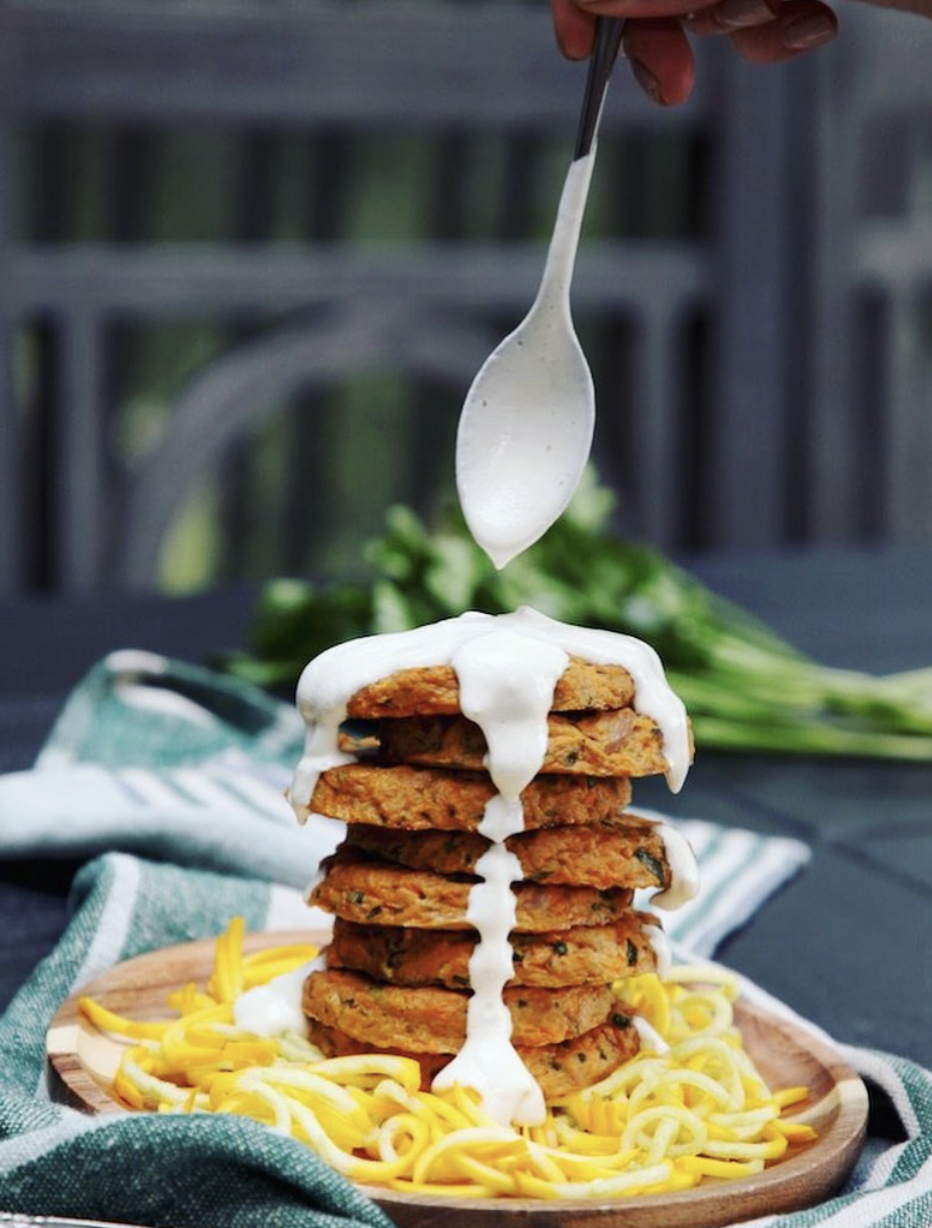
Food photography is an art that requires careful attention to detail, texture, and emotions. A great food photo can make a dish look so tempting that you want to take a bite right away. In this article, we will explore the importance of texture, details, and emotions in food photography, and how to capture them effectively.
Texture in Food Photography
Texture is an essential aspect of food photography. It is what makes the viewer want to reach out and touch the food in the photo. Texture can be achieved by using different props, such as a wooden cutting board or a rustic plate. It can also be created by emphasizing the different elements of the food, such as the flaky layers of a croissant or the smooth, velvety texture of a chocolate cake.
To capture texture in your food photos, you should focus on lighting and composition. Soft, diffused lighting is ideal for highlighting the texture of food. You can also use shadows to create depth and dimension in your photos. When composing your shot, pay attention to the placement of the food and props. Experiment with different angles and perspectives to find the best way to capture the texture of the food.
Details in Food Photography
Details are another essential element of food photography. Details are what make a food photo interesting and visually appealing. They can be anything from the intricate design on a piece of sushi to the tiny grains of salt on a piece of steak.
To capture details in your food photos, you need to get up close and personal with the food. Use a macro lens or zoom in to capture the details of the food. Pay attention to the little things, such as the way the steam rises from a bowl of soup or the way a sprinkle of parsley adds a pop of color to a dish.
Emotions in Food Photography
Emotions are the final element of food photography. Emotions are what make a food photo memorable and meaningful. They can be conveyed through the colors, composition, and styling of the photo. For example, warm colors, such as reds and oranges, can convey a sense of comfort and coziness, while cool colors, such as blues and greens, can convey a sense of freshness and vitality.
To capture emotions in your food photos, you need to think about the story you want to tell. What emotions do you want the viewer to feel when they look at your photo? Use props and styling to create a mood or atmosphere that evokes the desired emotions. For example, you could use a rustic, wooden board and soft, warm lighting to create a cozy, inviting atmosphere.
In conclusion, texture, details, and emotions are crucial elements of food photography. To capture them effectively, you need to pay attention to lighting, composition, and styling. Experiment with different techniques and props to find the best way to showcase the texture, details, and emotions of your food. With practice and patience, you can create stunning food photos that tell a story and evoke emotions in your viewers.
Styling and Emotional Impact: Styling in food photography plays a crucial role in evoking the desired emotional response from the viewer. By carefully selecting props, colors, and arrangements, photographers can create a mood that complements the food's essence. For instance, warm tones and rustic settings can evoke feelings of comfort and nostalgia, perfect for home-cooked meals. Conversely, minimalistic and clean setups with cool tones might highlight freshness and modernity, suitable for gourmet dishes. The right styling not only makes the food visually appealing but also connects with the viewer on an emotional level, making them crave the dish.
Natural Lighting Setup: Utilizing natural light is a fundamental aspect of food photography, as it enhances the food's colors and textures, making it look more appetizing. The best natural light typically comes from windows, offering a soft, diffused quality that wraps around the food beautifully. Photographers often use reflectors or whiteboards to bounce light and fill shadows, creating a balanced illumination. Timing is also essential; the golden hours of early morning or late afternoon provide the most flattering light. By mastering natural light, photographers can produce images that feel fresh, vibrant, and authentic.
Best Angles for Food Photography: Choosing the right angle is key to showcasing food in its best light. Overhead shots are ideal for flat lays or dishes with intricate designs, such as salads or charcuterie boards, as they provide a clear view of all elements. A 45-degree angle, similar to how one would typically view food when seated at a table, works well for most dishes, offering depth and context. For taller dishes or those with interesting layers, such as burgers or cakes, a straight-on angle can be most effective. Understanding and experimenting with different angles helps in highlighting the unique features of each dish, making them look irresistible

Top Engle Natural light